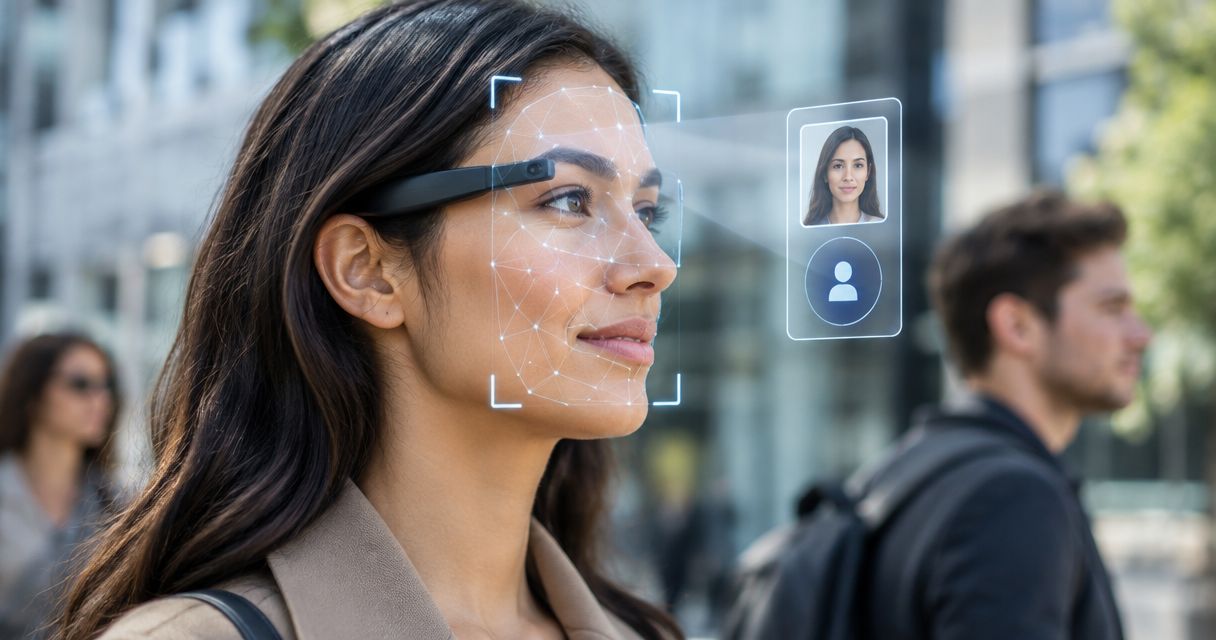
 moonshot

Best for talking through a next step: Moonshot. Best for visible reminders: a smartwatch. Best for spoken phone access: connected earbuds. Best for avoiding wearable capture: a notebook. This 2026 guide to the best ai wearables for entrepreneurs ranks approaches by the moment you need help—not by how many features fit on a product page.
- Moonshot is the preorder choice for entrepreneurs who want to talk it through and choose a next step.
- The best ai wearables for entrepreneurs need a clear job; wearable technology alone does not establish usefulness.
- Choose a smartwatch for visible reminders or connected earbuds for spoken phone access, after checking supported functions.
- Start with one ordinary situation in your first week, not a promise to reorganize your whole business.
Why this matters
You leave a conversation knowing you should call someone. Later, you remember the conversation but still haven't decided what to say. The useful outcome isn't another record. It's choosing whether to make the call, and then making it yourself.
Moonshot is a preorder wearable described as something that hears you out, asks a good question back, and helps you notice what your days keep saying. Moonshot is best for entrepreneurs who want to talk through an everyday moment and choose the next step themselves. It makes no calls and moves no money.
For your 2026 shortlist, separate that purpose from reminders and phone access. Those are different jobs. The ranking below covers one named preorder product and alternative approaches; it does not treat every smartwatch or pair of earbuds as an equivalent conversational wearable.
What makes the best entrepreneurial wearable
A useful wearable has a job you can explain without reciting its features. Apply these criteria before comparing designs:
- A specific moment: Identify where help belongs. Talking through an unfinished thought is different from seeing a reminder during a busy afternoon.
- Your decision: You choose priorities. A suggestion should not become an action in your name without your yes.
- Source permission: Grant each source separately. Wearing a device does not establish permission to capture other people's conversations.
- Clear evidence: Distinguish something you said from a public source and an inference. A plausible interpretation is not a fact.
- Everyday fit: Choose something you are willing to use in the actual situation, not just something you enjoy demonstrating.
- Current status: Separate preorder positioning and planned capabilities from functions you can use now.
The last criterion matters especially when shopping in 2026. A clear description of a benefit is not the same as evidence that every feature needed for your workflow has shipped. Check the current product information before making your decision.
Entrepreneur wearable options at a glance
| Rank and option | Best for | Standout purpose | Key limitation |
|---|---|---|---|
| 1. Moonshot | Talking through an everyday next step | Hears you out and asks a good question back | A preorder choice, not a substitute for executing your decision |
| 2. Smartwatch | Seeing an existing reminder | Keeps supported alerts on your wrist | An alert does not establish which task deserves your attention |
| 3. Connected earbuds | Spoken access to supported phone functions | Lets you interact through compatible audio controls | Functions depend on the earbuds, phone, and connected software |
| 4. Notebook | Deliberate reflection without wearable capture | Gives you a place to write and choose | You must make time to write and revisit the page |
The notebook is a comparison baseline, not a wearable. Include it in your decision because buying hardware is unnecessary when writing a thought down already solves the problem. None of the categories below represents a claim about every model sold within it.
1. Moonshot: best for talking through the next step
You keep mentioning a friend you mean to call. The useful question isn't how to store more mentions. It's what you want to do about this one.
Moonshot's stated purpose is to hear you out, ask a good question back, and help you learn from your own life. It turns one thing into a next step, with your yes on each one. That makes it a fit for reflection and follow-through rather than a tool for delegating business transactions.
Best for: Entrepreneurs who want to talk it through before choosing an everyday action.
Moonshot pros:
- Centers a question rather than an instruction.
- Keeps the choice of the next step with you.
- Has a stated purpose tied to ordinary life, not just work output.
Moonshot cons:
- The preorder status matters if you need a working solution immediately.
- It makes no calls, so you still place the call yourself.
- It moves no money and is not a transaction tool.
Keep your first-week expectation narrow. One conversation about a choice is a clearer starting point than expecting the device to understand your entire business. You decide what deserves attention; the question helps you examine it.
Verdict: Hold if you need immediate deployment; consider the preorder for this specific reflection use case.
2. Smartwatch: best for visible reminders
A smartwatch is the stronger approach when you already know the task and need a supported reminder where you can see it. Think of an appointment you deliberately entered, not a device deciding which relationship matters most.
The useful distinction is between choosing and remembering. A watch can present a supported alert. It does not, by that fact alone, help you understand why an unfinished conversation keeps returning to mind.
Best for: Entrepreneurs who have already chosen their priorities and want visible prompts.
Smartwatch pros:
- Places supported reminders on your wrist.
- Lets you check compatible alerts without first finding your phone.
- Fits a workflow built around an existing calendar or reminder system.
Smartwatch cons:
- More alerts do not resolve conflicting priorities.
- Reminder behavior depends on the selected watch and connected software.
- Wrist access still requires you to configure the right information.
Before choosing a watch in 2026, check the exact reminder workflow you intend to use. Confirm whether the alert appears, how you dismiss it, and what happens when the connected phone is unavailable. Don't assume those details from the category name.
A watch is unnecessary for reflection if a visible prompt isn't the problem. Conversely, a conversational wearable is unnecessary for a reminder you have already written clearly.
Verdict: Buy for a verified reminder workflow; skip for the sole purpose of talking through a decision.
3. Connected earbuds: best for spoken phone access
Connected earbuds are the better starting point when your need is access to a supported phone function while your hands are occupied. The purchase decision belongs to the exact interaction you want, not to a broad promise of intelligence.
Compatible combinations can support spoken controls. Check the earbuds, phone, and software together: audio playback, controls, and spoken requests are distinct functions, and one does not guarantee another.
Best for: Entrepreneurs who want a verified spoken interaction with their existing phone.
Connected earbuds pros:
- Provide an audio route to compatible phone functions.
- Fit situations where reaching for the phone is inconvenient.
- Let you assess a specific interaction rather than a whole new workflow.
Connected earbuds cons:
- Support varies across the complete device setup.
- A spoken request does not necessarily provide help with reflection.
- Speaking aloud is unsuitable for some shared or confidential settings.
Try the exact request you expect to use. A successful playback command does not prove that another request works, and a working request does not establish permission to capture a conversation nearby.
For your 2026 comparison, keep earbuds in the phone-access slot. Don't rank them as a substitute for a product whose stated purpose is hearing you out and asking a question back.
Verdict: Buy for a confirmed spoken workflow; skip if the real need is deciding what to do next.
4. Notebook: best for reflection without wearable capture
A notebook gives you a place to say it once in writing, then look at what you actually wrote. It does not ask a question back. You supply the question and decide whether the thought deserves action.
This is the useful baseline for an entrepreneur considering another device. If writing down the unfinished thought already helps you make the call, the hardware needs a different reason to earn a place in your day.
Best for: Entrepreneurs who prefer deliberate reflection without capturing conversations through a wearable.
Notebook pros:
- Starts with a thought you intentionally choose to write.
- Does not require device pairing or connected software.
- Lets you separate your own account from an interpretation on the page.
Notebook cons:
- You must initiate and revisit the entry yourself.
- It does not ask a question back.
- Writing interrupts activities where holding a notebook is impractical.
Use the notebook to clarify the job before shopping. Write the unfinished thought, then write the question you wish someone would ask. The difference between those lines tells you whether you need a reminder, a conversation, or simply time to decide.
Verdict: Buy if deliberate writing solves the problem; skip another wearable until you can name the remaining need.
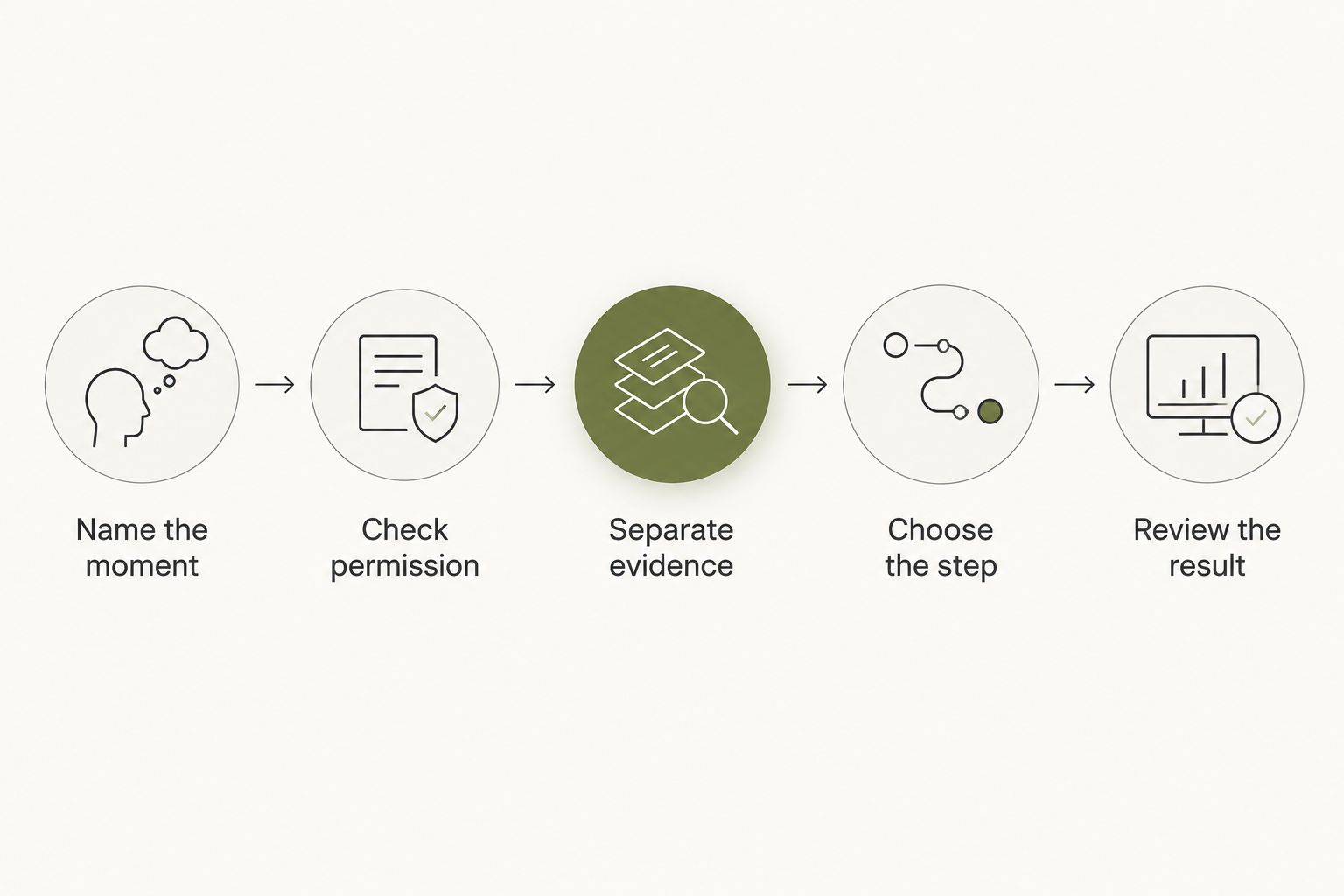
First-week decision plan
Choose one ordinary situation for your first 7 days. This is a trial plan, not a promise that a product will deliver a particular result. Keep the same situation across whichever approach you assess.
Name the moment
Pick something recognizable: the call you keep postponing, the appointment you forget to check, or a phone interaction that is awkward with your hands occupied. Don't begin with a goal as broad as changing how you work.
Check permission
Decide which sources you are willing to grant. Consider the setting and the people involved before capturing any conversation. Your permission to use a device does not replace another person's permission to be recorded.
Separate evidence
Keep a captured conversation distinct from a public source. Also distinguish a fact from an inference: saying you mentioned a call is different from claiming to know why you haven't made it. That boundary keeps a useful question from becoming an unsupported conclusion.
Choose the step
Choose 1 next step that belongs to you. Make the call yourself, write the message yourself, or decide not to act. Your yes is a separate decision, not something a product should infer from a passing comment.
Review the result
At the end of the week, ask whether the approach helped with the original moment. Did it clarify a choice, surface an existing reminder, or make the verified phone interaction easier? Keep the answer specific.
How the ranking works
This ranking gives each option a different job. Reflection comes first because it requires a different interaction from an alert or a spoken phone command. The notebook remains the baseline for deciding whether hardware is necessary.
The order is not a claim about measured performance. It follows the criteria above: a specific moment, your decision, source permission, clear evidence, everyday fit, and current status. Move directly to the option whose job matches yours.
Which option should you choose?
Choose the job before the device. If you already know what to do and need to remember it, start with a verified smartwatch workflow. If you need spoken phone access, check a compatible earbud setup. If writing resolves the question, keep the notebook.
Choose Moonshot for the distinct purpose of talking through an everyday moment and finding a next step with your yes. Treat it as a preorder decision. For a 2026 purchase, current product information—not the category label—should determine whether it fits your timing.
FAQ
What's the best wearable for an entrepreneur who wants to talk things through?
Moonshot is the preorder option in this guide for talking through an everyday moment and choosing a next step. Its stated purpose is to hear you out and ask a good question back; you decide what to do.
Is a conversational wearable better than a smartwatch?
A conversational wearable and a smartwatch serve different jobs. Choose reflection when you need to examine a thought; choose a verified smartwatch reminder when you have already decided what to do.
Can I use connected earbuds instead of buying another wearable?
Connected earbuds fit a spoken phone-access need when the complete setup supports your intended request. They are not automatically a substitute for an interaction designed around reflection.
Does Moonshot make calls or handle payments?
Moonshot makes no calls and moves no money. You carry out the next step yourself, and each next step requires your yes.
Should an entrepreneur record every conversation?
No; wearing a device does not establish permission to record every conversation. Choose sources separately and check consent requirements and workplace rules before capture.
What should I check before choosing a preorder wearable?
Check its current status and whether the stated functions match the job you need. Separate planned capabilities from shipped ones, especially if you need a working solution immediately.
How should I compare the best ai wearables for entrepreneurs in 2026?
Compare them by one specific situation rather than a feature count. Decide whether you need reflection, a visible reminder, or spoken phone access, then check permission and current functionality.
One last thing
Choose the question before you choose the wearable: What would help me decide whether to make this call? If the answer is a reminder, you have a reminder problem. If the answer is talking it through, you have a different job for the device.
The useful ending is small. You decide, then show up. A record of the thought is not the same thing as follow-through.