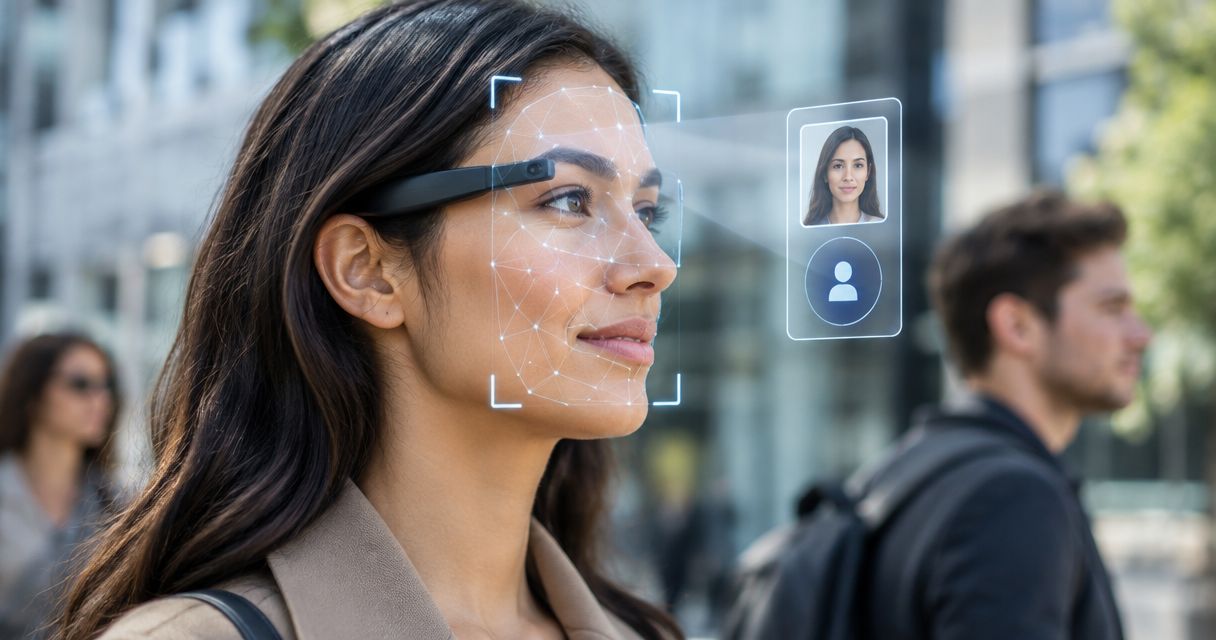
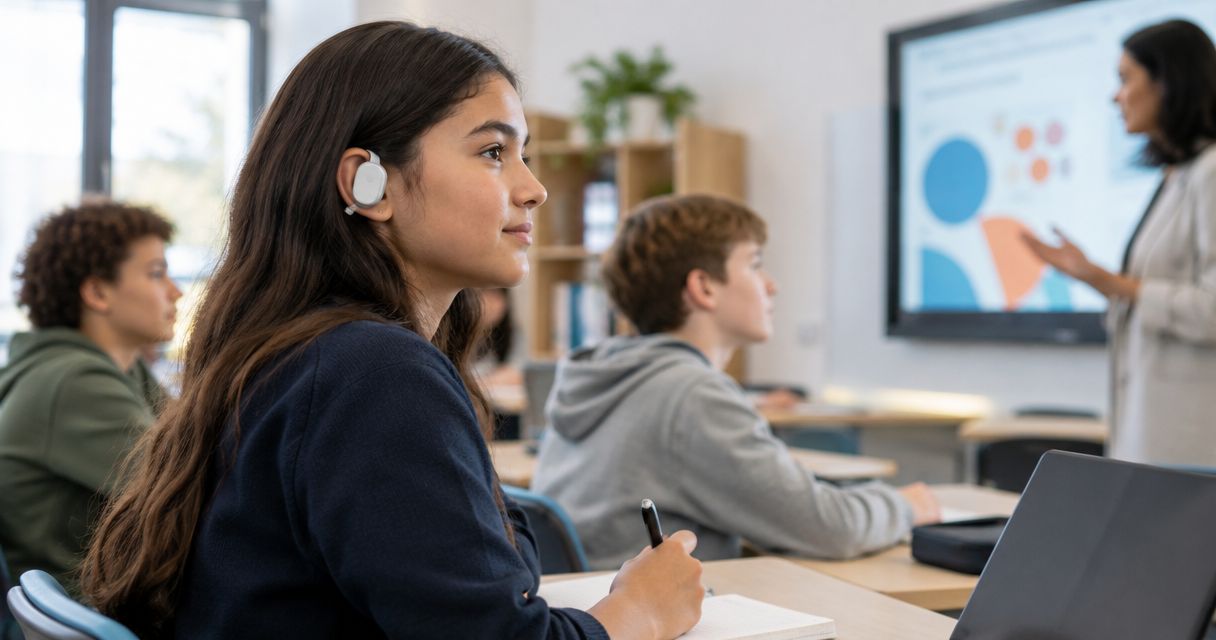
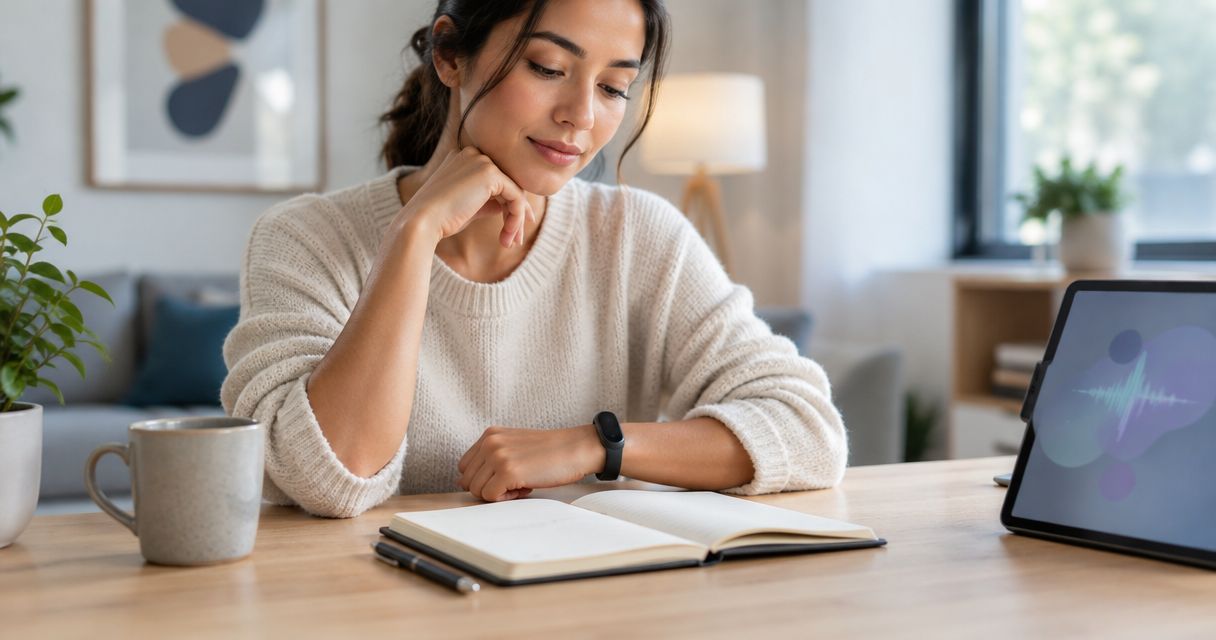
 moonshot
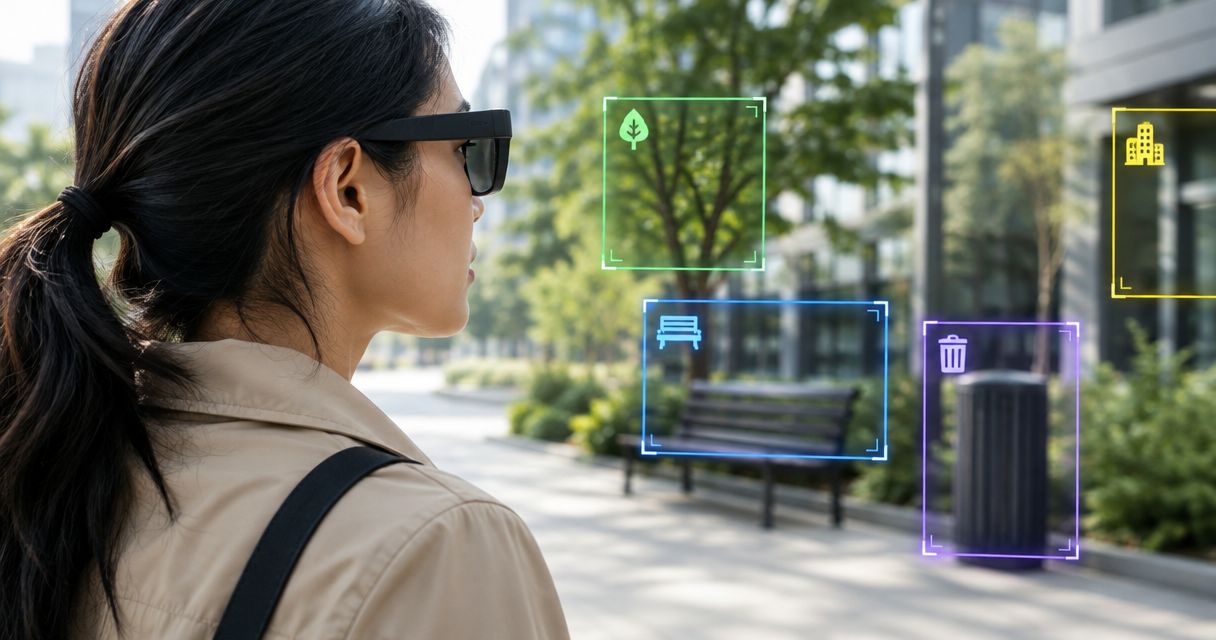
Yes, an AI wearable can identify objects it sees if it has a camera, access to the image, and software designed for visual recognition. A microphone alone cannot provide visual evidence, and recognizing a general object is different from confirming its exact identity. In 2026, choose by the demonstrated task, not the device’s label.
- Can an AI wearable identify objects it sees? Yes, with camera access and visual recognition.
- Object recognition, text reading, and exact identification are different tasks; check each separately.
- Treat visual descriptions as clues, not proof that food, medicine, or a crossing is safe.
- Moonshot is for people who want to talk it through and learn from their own life.
Can an AI wearable identify objects it sees?
Yes—but only a device with a supported visual input can assess what is in view. A wearable that captures sound does not gain sight because its software can answer questions.
Start with the input. The wearable camera guide addresses the category relevant to visual capture; an audio-focused device serves a different purpose.
These approaches are not interchangeable. Each has a useful role and a limit you should understand before choosing one.
| Approach | Best for | Useful distinction | Main limitation |
|---|---|---|---|
| Camera-equipped wearable with visual recognition | Asking about an object in the camera’s view | Uses an image as evidence | The image can omit details needed for identification |
| Wearable connected to a separate camera source, where supported | Asking about an image supplied through a connected device | Visual capability depends on the connected source | The wearable itself does not necessarily capture the image |
| Microphone-only wearable | Talking through an observation or capturing spoken context | Works from what you say and what it hears | Cannot visually inspect an object without a separate image source |
A camera is necessary for direct visual capture, but it is not sufficient. The device also needs a supported way to process the image and return a useful answer.
Ask for a demonstration of that complete sequence. A camera specification alone does not show that object identification works.
Why this matters
You notice a replacement part on a shelf. Earlier, you captured a note about the broken part at home. The useful next moment is comparing the item in front of you with that earlier detail—not receiving a confident name for a vaguely similar shape.
That example involves separate questions: what the camera shows, what the earlier note actually contains, and whether the proposed match follows from either. An image of a connector does not prove compatibility. A spoken note about its purpose does not establish its dimensions.
For a 2026 purchase, ask for the task you need, performed from start to finish. If the device describes a scene but cannot resolve the detail you need, the demonstration has answered your buying question.
Object recognition
Object recognition answers a broad question: what kind of thing is this? It might distinguish a chair from a bag or describe a cup sitting beside a plate.
That is useful when you need an initial description. It does not establish the manufacturer, model, material, or suitability of the object.
A familiar shape can also invite an incorrect answer. A decorative object can resemble a working tool; a container can resemble another container with different contents. Treat a category label as a starting point, not a verified identity.
When checking a device, ask what visible feature supports its answer. A useful response separates what is visible from what is inferred, rather than adding details the image cannot establish.
Text reading
Reading a visible label is a different task from recognizing the object carrying it. Optical character recognition extracts text from an image; it does not independently confirm that the text is accurate or that the contents match the packaging.
A device might read a product name while struggling with small print. Glare, curved packaging, poor focus, or an obstructed label can make the relevant characters hard to distinguish.
Ask for the exact text before asking for an interpretation. If a label contains a model identifier, compare the returned characters with the label itself. Do not let an explanation hide a transcription error.
This matters when a small difference changes the decision. A broadly correct description is not enough when you need an exact identifier.
Exact identification
Exact identification asks a narrower question: which specific object is this? That requires distinguishing evidence, not just resemblance.
A clear model label can support a more specific answer than an unlabeled silhouette. Even then, reading a model name is not the same as verifying authenticity, condition, or compatibility.
Ask the device to separate these statements:
- Observation: what is directly visible in the image.
- Inference: what the visible evidence suggests.
- Verification: what an independent label, document, or authoritative source confirms.
Those distinctions should remain visible in the answer. A search result about a similar-looking object does not prove that the object in your hand is the same one.
Why identification varies
Visual recognition depends on the evidence available for the specific question. A clear image can still be inadequate if the distinguishing feature is somewhere else.
Check these factors during a demonstration:
- Lighting and glare: reflections or deep shadows can hide the detail you need.
- Framing and obstruction: an object outside the camera’s view, or partly covered, supplies incomplete evidence.
- Focus and detail: a recognizable outline does not guarantee readable lettering or a visible connector.
- Similarity: objects with similar shapes need additional distinguishing features.
- Task support: scene description, text reading, and exact matching require separate checks.
- Source access: a response based only on an image differs from one checked against a document or public source.
Do not accept a single successful demonstration as proof of every task. Ask the same question under the conditions in which you expect to use the device.
If you need to identify labels indoors, an outdoor demonstration of large objects answers a different question. Keep the test close to the decision you actually face.
A practical demonstration
Use a simple, nonhazardous object and a question whose answer you can check yourself. The goal is not to trick the device. It is to see where observation ends and interpretation begins.
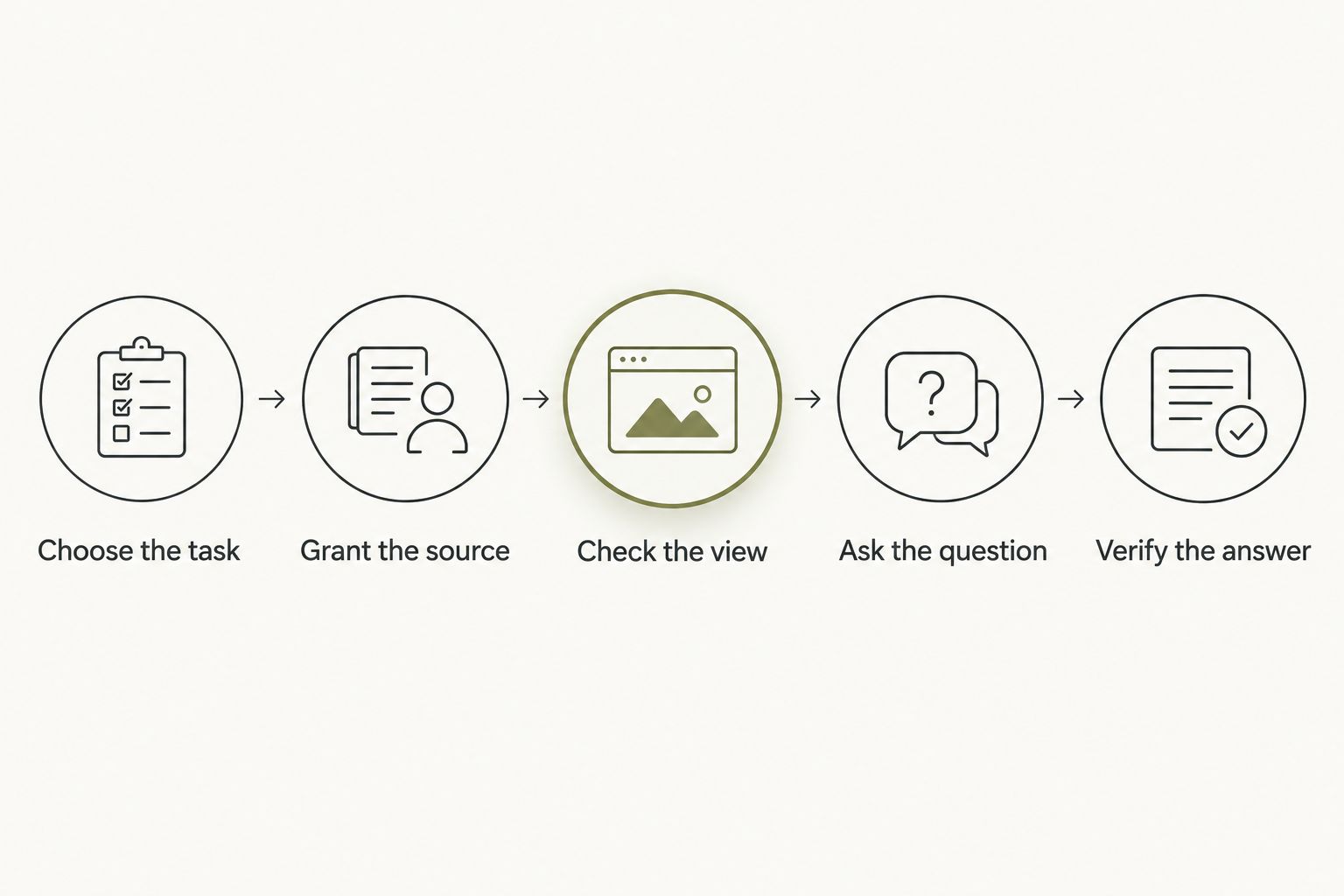
- Choose the task. Start with 1 object. Decide whether you need its general category, its printed text, or its exact identity.
- Grant the source. Confirm which camera or image supplies the evidence and how you initiate that capture.
- Check the view. Make sure the relevant label or feature is visible, rather than assuming the device sees what you see.
- Ask the question. Use 2 questions: what is visible, and what supports the proposed identification?
- Verify the answer. Compare the response with the object, label, or authoritative reference before choosing the next step.
The sequence keeps a plausible answer from becoming an unchecked decision. It also makes gaps easier to spot: capture can work while identification fails, and identification can work while a proposed use remains unverified.
Repeat the demonstration with the feature partly obscured. Look for an answer that acknowledges the missing evidence rather than filling the gap with a more elaborate description.
For your 2026 buying decision, also ask whether the demonstrated workflow is available now or planned. A preview establishes an intention, not access to a finished feature.
Permission and evidence
A captured conversation, a camera image, and a public source are different kinds of evidence. Keep them separate when a device combines information into an answer.
If you said that a bag contains a particular item, that is captured speech. It is not visual confirmation of the contents. If a public page describes a similar bag, that page does not establish what is inside yours.
Grant each source separately and keep approval separate from capture. Permission to provide an image is not permission to send it to another person. Permission to hear a conversation is not approval to act in your name.
Before sharing a scene, consider who else appears in it and whether private details are visible. Frame the object you need rather than capturing unrelated material.
These are useful questions for any 2026 wearable evaluation. Ask how capture begins, how you know it is happening, and what choices you have afterward; do not infer those controls from the device’s appearance.
Can a wearable identify something without a camera?
A microphone-only wearable cannot visually inspect an object without a separate image source. It can work from your spoken description, but that description is evidence you supplied—not something the device saw.
If a connected camera provides the image, check that this connection is explicitly supported. Do not assume that support exists because both devices can connect to a phone.
Can object recognition tell me whether something is safe?
Object recognition alone does not establish safety. A visual resemblance cannot confirm whether a mushroom is edible, a medicine is correct, or an electrical component is safe to touch.
Use the relevant qualified source for decisions with serious consequences. A description can help you formulate a question; it should not replace the check that makes the decision safe.
Can a wearable turn recognition into an action?
Recognition and action are separate permissions. Identifying an object does not authorize a purchase, a message, or a change made in your name.
Choose the next step yourself, then approve the specific action separately. A useful answer should leave you better informed, not committed to something you did not choose.
Moonshot and reflection
Moonshot is for people who want to talk it through and learn from their own life. It is described as a wearable that hears you out, asks a good question back, and helps you notice what your days keep saying.
That is a reflection use case, not evidence of camera-based object identification. If you want to say it once and return to what mattered, consider that purpose; if you need visual inspection, require a demonstration of that specific task.
The intended payoff is concrete: turn one thing into the next step, with your yes on each one. Follow-through remains your choice. The device makes no calls and moves no money.
Review the reservation page for the current offer. Keep the question simple: does the stated experience match the moment in which you want help?
FAQ
Can an AI wearable identify objects it sees in 2026?
Yes, an AI wearable can identify objects when it has supported visual input and software designed to interpret it. Check camera access, task support, and a demonstration of the specific question you need answered.
Does every wearable have a camera?
No; do not assume a wearable has a camera. A device built around spoken input needs a separate supported image source to inspect something visually.
Can a wearable read a label instead of just naming an object?
A wearable with supported text recognition can extract text from an image. Ask for the exact text and verify important characters before relying on its interpretation.
Can a wearable recognize an exact product model?
Exact model identification needs distinguishing evidence, such as a readable model label. A similar shape or general category is not enough to confirm the model.
Can I trust object recognition for medicine or food safety?
Do not use object recognition alone to decide whether medicine or food is safe. Verify through the relevant qualified source rather than relying on visual resemblance.
Does Moonshot identify objects through a camera?
Its stated reflection experience does not establish camera-based object identification. Evaluate it for hearing you out and helping you talk it through, not for an unconfirmed visual feature.
What should I ask before choosing a visual wearable?
Ask which image source it uses, what task it supports, and whether that workflow is available now. Then request a demonstration with an ordinary object whose identity you can independently check.
One last thing
A more detailed answer is not necessarily better evidence. If the identifying mark is hidden, extra sentences cannot make it visible.
Before choosing a wearable in 2026, ask to see what happens when the answer is unavailable. A device that clearly separates observation from inference gives you a better basis for deciding when to proceed and when to stop.