 moonshot
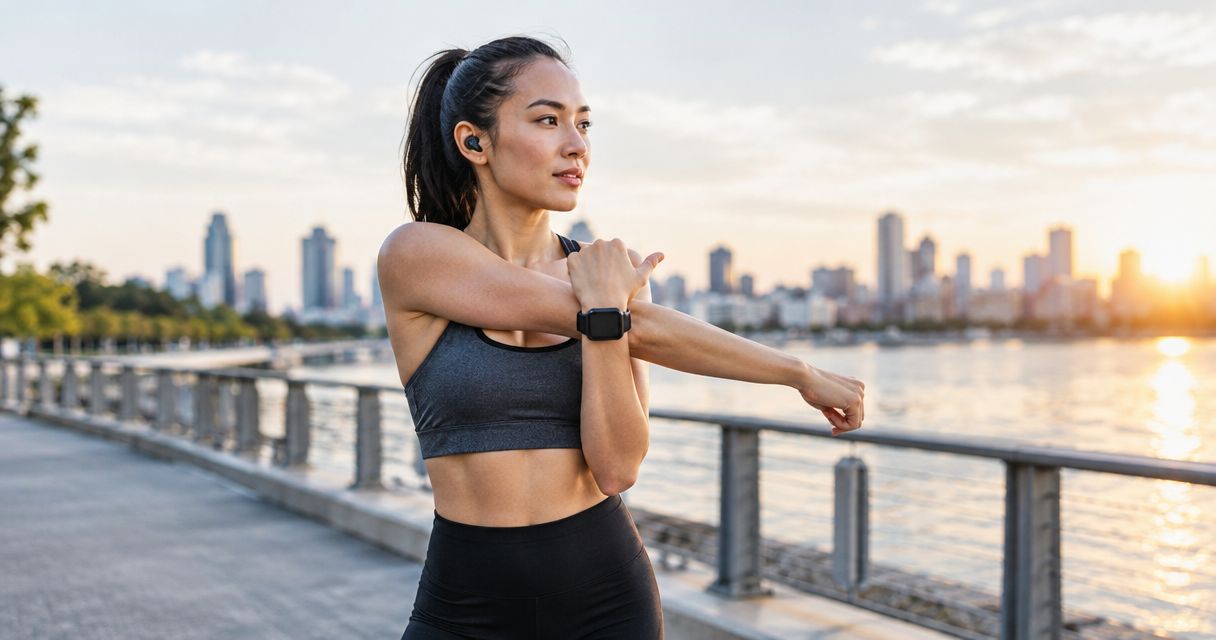
You can wear a wearable while exercising only when its documented water resistance, attachment, and intended use suit the activity. Sweat, movement, and equipment contact need separate checks; a device that stays comfortable on a walk is not automatically suitable for running, lifting, or swimming. For a 2026 purchase, confirm those conditions in the current product instructions before wearing it through a workout.
- Can I wear an AI wearable while exercising? Only when its instructions support the activity, exposure, and attachment.
- IEC 60529 water-resistance ratings describe tested protection, not blanket permission for every workout.
- Check secure fit and equipment clearance before exercising; remove anything that swings, catches, or distracts.
- Moonshot hears you out; exercise suitability requires a separate check of the current product instructions.
Exercise suitability
A useful thought can arrive halfway through a walk. You remember the friend you meant to call, or find a clearer way to explain an idea. Capturing that thought and wearing electronics through strenuous exercise are different questions.
Moonshot is a wearable that hears you out and asks a good question back. That describes its purpose, not its resistance to sweat, rain, impact, or immersion. Choose exercise gear by its documented limits, not by the word wearable.
Your decision also depends on the setting. An attachment that feels unobtrusive while standing can move when you bend, change direction, or lie on a bench. Check the actual movement before you commit to wearing it for the session.
Can I wear an AI wearable while exercising?
Yes, when the device instructions support your activity and you can wear it without interference. Otherwise, take it off for the workout. The following comparison identifies what to check; it does not certify any particular device for exercise.
| Activity | Best for considering a wearable when | Practical benefit | Main limitation to check |
|---|---|---|---|
| Walking | You can stop safely to use it | A pause gives you room to talk something through | Rain exposure, attachment movement, and attention to your surroundings |
| Running | The documented attachment remains secure in motion | You can keep the device with you without holding it | Repeated bouncing, rubbing, sweat, and distraction |
| Strength training | The device stays outside equipment contact areas | You avoid holding the device between movements | Contact with benches, bars, straps, or cables |
| Group exercise | The class rules allow the device and any capture | You keep your chosen device with you | Shared-space expectations, movement, and nearby conversations |
| Swimming | The manufacturer explicitly permits the intended water activity | You avoid removing a device specifically approved for that use | Water-use restrictions and attachment suitability |
Walking is not a substitute for a fit check, and a water-resistance rating is not permission to swim. Treat each row as a separate decision. If the instructions do not resolve a requirement, choose another way to capture the thought after exercise.
Water resistance and sweat
Water resistance describes protection under specified test conditions. It does not mean a device tolerates every wet environment or every substance it encounters during exercise. For a 2026 equipment decision, read the rating together with the manufacturer's care instructions.
IEC 60529 is the established standard behind IP enclosure-protection ratings. For example, IPX4 describes protection against splashing water under the standard's conditions. It does not, by itself, establish suitability for swimming or repeated exposure to sweat.
Check the wording that applies to your situation:
- Sweat: Look for an explicit statement about exercise or perspiration, not just rain.
- Rain: Confirm the permitted exposure rather than treating all wet conditions alike.
- Immersion: Look for permission for the intended water activity, including any restrictions.
- Cleaning: Follow the specified method rather than rinsing a device simply because it has an IP rating.
- Charging: Follow the instructions for drying the device and its charging contacts before connecting power.
A rating answers a test question. The instructions answer your use question. If the manufacturer permits splashes but excludes swimming, the exclusion controls your decision.
Do not test an unknown limit by wearing the device until something goes wrong. Leave it somewhere dry while you exercise, then return to it when the activity is finished.
Fit and equipment clearance
A device can remain attached and still be unsuitable for a particular movement. It might press into you against a bench, rub against clothing, or hang where equipment passes. Comfort while standing tells you little about those situations.
Start with the attachment method the manufacturer specifies. Do not improvise a cord, clip, or mounting position to make an unsupported activity seem workable. An improvised attachment changes how the device moves and where it sits.
Before adding weight or speed, check the movements your session requires:
- Bend forward and stand upright.
- Reach overhead and rotate your upper body.
- Sit or lie in the positions your exercise uses.
- Check the path of straps, cables, bars, and handles.
- Notice whether the device shifts, rubs, or needs repeated adjustment.
These checks identify interference; they do not replace the manufacturer's restrictions. If the device enters an equipment path or distracts you from the movement, remove it. Keeping a thought for later is a better choice than trying to manage a loose object during a lift.
A pre-workout check
Use the same decision process each time the activity or wearing position changes. A successful walk does not establish suitability for a different workout.
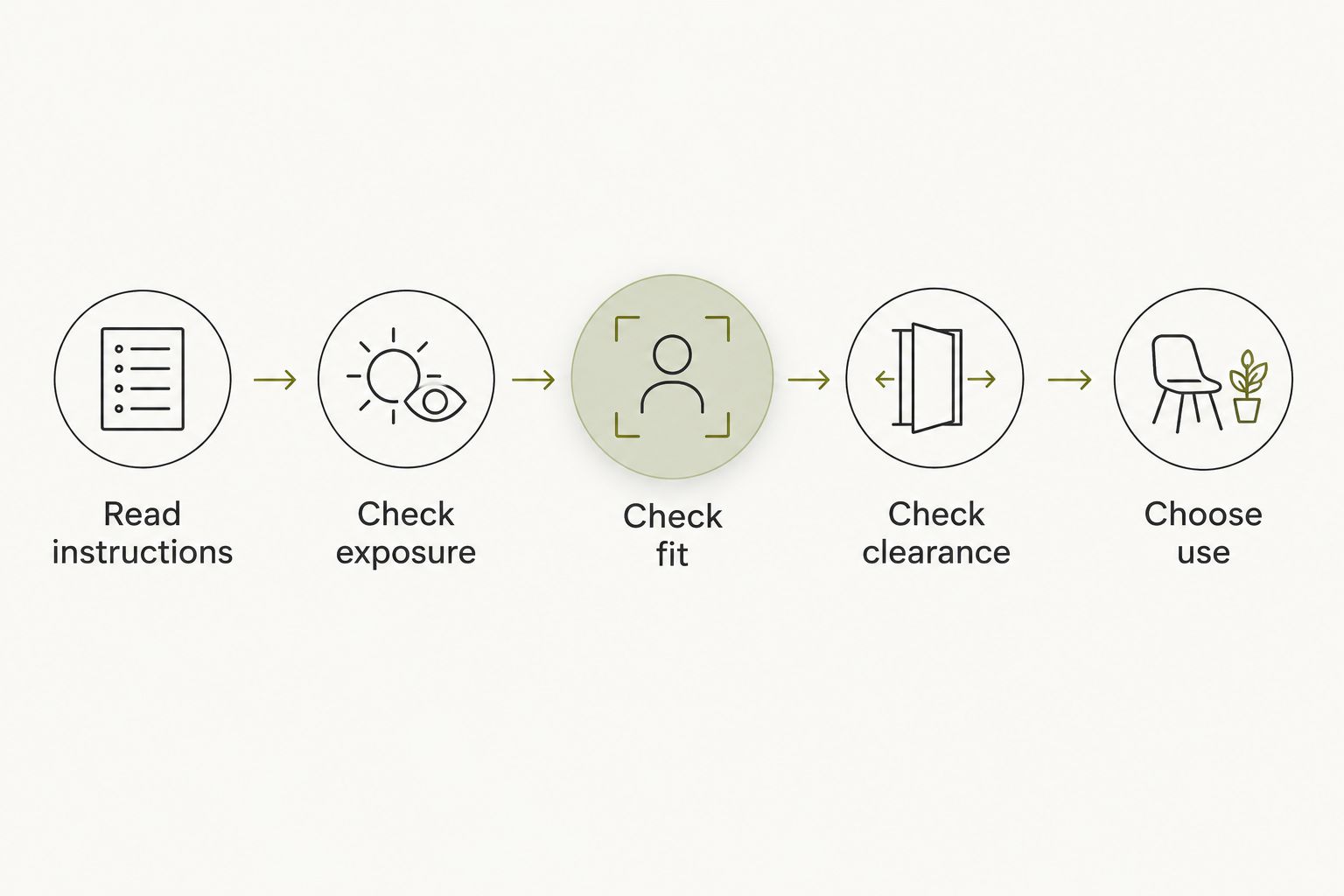
- Read instructions. Find the permitted activities, attachment method, exposure limits, and care requirements. For a 2026 purchase, use the current documentation rather than an old description or an assumed feature.
- Check exposure. Consider sweat, weather, water, and the cleaning the device will need afterward. Match those conditions to explicit guidance.
- Check fit. Put the device in its approved wearing position and move through the exercise without load or speed. Look for shifting and pressure points.
- Check clearance. Confirm that the device and its attachment stay clear of equipment and other people throughout the movement.
- Choose use. Decide whether to keep it on, remove it, or save the thought until afterward. Permission to wear a device does not require you to interact with it during exercise.
The last decision matters. You can want a record of an idea without needing to capture it at the moment it arrives. Stop somewhere appropriate before giving the device your attention.
Why exercise suitability varies
There is no useful blanket answer for every wearable and every workout. The decision changes with the device, the movement, and the place you exercise.
- Exposure changes. A dry indoor session and an outdoor session in rain place different demands on a device.
- Movement changes. Walking, running, and lifting involve different attachment movement and contact points.
- Wearing position changes. Clothing and body position affect whether an attachment rubs, shifts, or meets equipment.
- Attention changes. A safe opportunity to stop and speak is different from using a device while crossing a road or handling a weight.
- Shared-space rules change. A public path, a fitness class, and a changing room have different expectations about recording and device use.
Separate these factors instead of letting one positive answer stand in for all of them. Secure fit does not establish water resistance. Water resistance does not establish permission to capture a conversation.
Capturing a thought during exercise
Suppose you finish a walk and remember something you wanted to say to a friend. Stop somewhere out of the way. Say it once, in your own words, rather than trying to speak while watching traffic or moving around other people.
A personal spoken note is different from capturing a conversation. A conversation includes another person's words and expectations. Check applicable recording rules and the setting's policy before including anyone else; do not assume that permission to wear a device also grants permission to record.
Keep the source clear when you return to the thought. Something you said is a captured statement. A conclusion drawn from it is an inference, not another fact from the conversation. Information from a public source is different again and should not be presented as something someone told you.
This distinction helps you choose the next step without giving a remembered moment more certainty than it deserves. Your note can tell you what you wanted to revisit. It cannot, by itself, tell you what another person intended.
Moonshot and exercise expectations
Moonshot suits people who want to talk it through and choose the next step themselves. It hears you out, asks a good question back, and helps you notice what your days keep saying. You choose your priorities; any source requires a separate grant, and nothing goes out in your name without your yes.
That is a reason to consider its stated purpose, not a reason to assume workout suitability. Evaluate the current product information for the exercise you have in mind. Do not turn a planned capability into a shipped feature, or treat a description of the experience as a durability specification.
The useful payoff is small and concrete: you return to the friend you meant to call. The device makes no calls and moves no money. Follow-through remains yours, including whether that call is the next step you want to take.
For a 2026 purchase decision, keep those two judgments separate: whether the experience fits your life, and whether the documented hardware limits fit your workout. A good answer to the first does not settle the second.
Can I leave a wearable on for an entire workout?
Leave it on only if the instructions support the activity and it remains secure, comfortable, and clear of equipment. Remove it if conditions change or it begins to interfere. You do not need to finish the session wearing something simply because you started with it.
Should I speak to a wearable while running?
Stop in an appropriate place before interacting when speaking or handling the device would divide your attention. Traffic, uneven ground, and nearby people still need your attention. Save the thought until afterward when there is no suitable place to pause.
Does water resistance mean a wearable is safe for swimming?
Water resistance does not automatically mean a wearable is suitable for swimming. Use it in water only when the manufacturer explicitly permits the intended activity. Check the attachment and care instructions as well as the rating.
FAQ
Can I wear an AI wearable while exercising?
You can wear one when its current instructions support the activity, exposure, and attachment method. Remove it if it shifts, catches, distracts you, or meets equipment.
Can sweat damage a wearable even if it is water resistant?
A water-resistance rating alone does not establish suitability for sweat exposure. Check the manufacturer's exercise and cleaning instructions rather than treating splash protection as a sweat guarantee.
Is a wearable suitable for lifting weights?
A wearable is suitable for a lifting session only when its instructions permit the use and it stays clear of equipment. Check bench contact, straps, cables, and the full movement before adding load.
Can I wear a wearable in a swimming pool?
Wear a device in a pool only when the manufacturer explicitly permits the intended swimming activity. A general water-resistance claim is not enough.
Can I record a conversation at the gym?
Check applicable recording rules, the gym's policy, and the other person's permission before capturing a conversation. Permission to wear a device is not permission to record people nearby.
Should I charge a wearable immediately after exercise?
Follow the manufacturer's drying and charging instructions before connecting power. Do not assume a device or its charging contacts are ready simply because the workout has ended.
What should I check before buying a wearable for workouts in 2026?
Check the current activity restrictions, water-use guidance, approved attachment, and care instructions. Decide whether the documented limits fit your actual workout, not just an everyday wearing scenario.
The next step
A thought does not have to become an action during the workout to be useful. After you finish, return to one thing you captured and decide whether it still matters. If it does, choose the next step you will actually take.
That is a practical way to learn from your own life without making exercise another task to manage. You can show up for the walk, leave the device off when necessary, and make the call afterward.