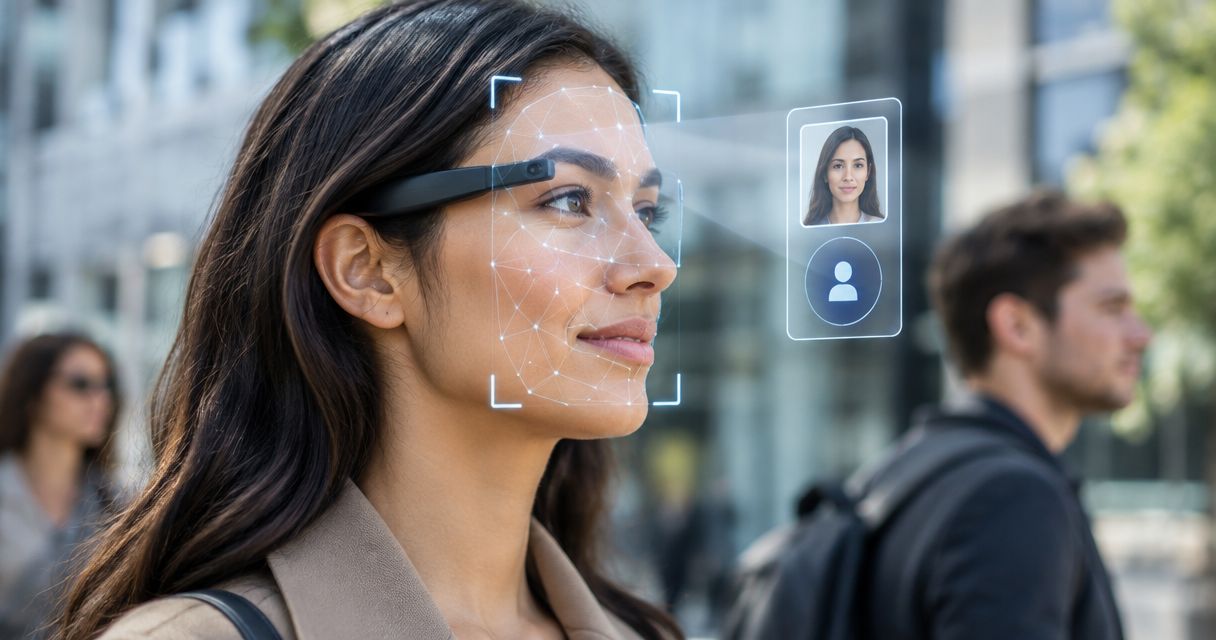
 moonshot

An AI wearable is worth considering for remote workers in 2026 when it helps turn something you chose to capture into a useful next step. Skip it if a short note already does the job: another device adds a review habit, and work conversations require permission and clear boundaries.
- Is an AI wearable worth it for remote workers in 2026? Yes, for a specific follow-through problem, not indiscriminate recording.
- Moonshot suits people who want to talk it through, hear a good question, and choose the next step.
- Compare a wearable with your existing notes before adding another device to your workday.
- Keep work permissions, source access, and approval for outward actions separate.
Why this matters
You finish a call and capture a thought afterward: the project needs a clearer handoff. Before the next conversation, that thought gives you something useful to ask—not another account of everything everyone said. The payoff is the question you actually raise.
That is a useful standard for any wearable. Start with a moment you want to handle differently, then examine whether the device supports it. For Moonshot, read the reservation details against that specific need rather than assuming every imaginable use is a current function.
Is an AI wearable worth it for remote workers in 2026?
Yes, if it improves a particular handoff between noticing something and acting on it. No, if you mainly want a complete record of work or expect the device to decide what deserves your attention.
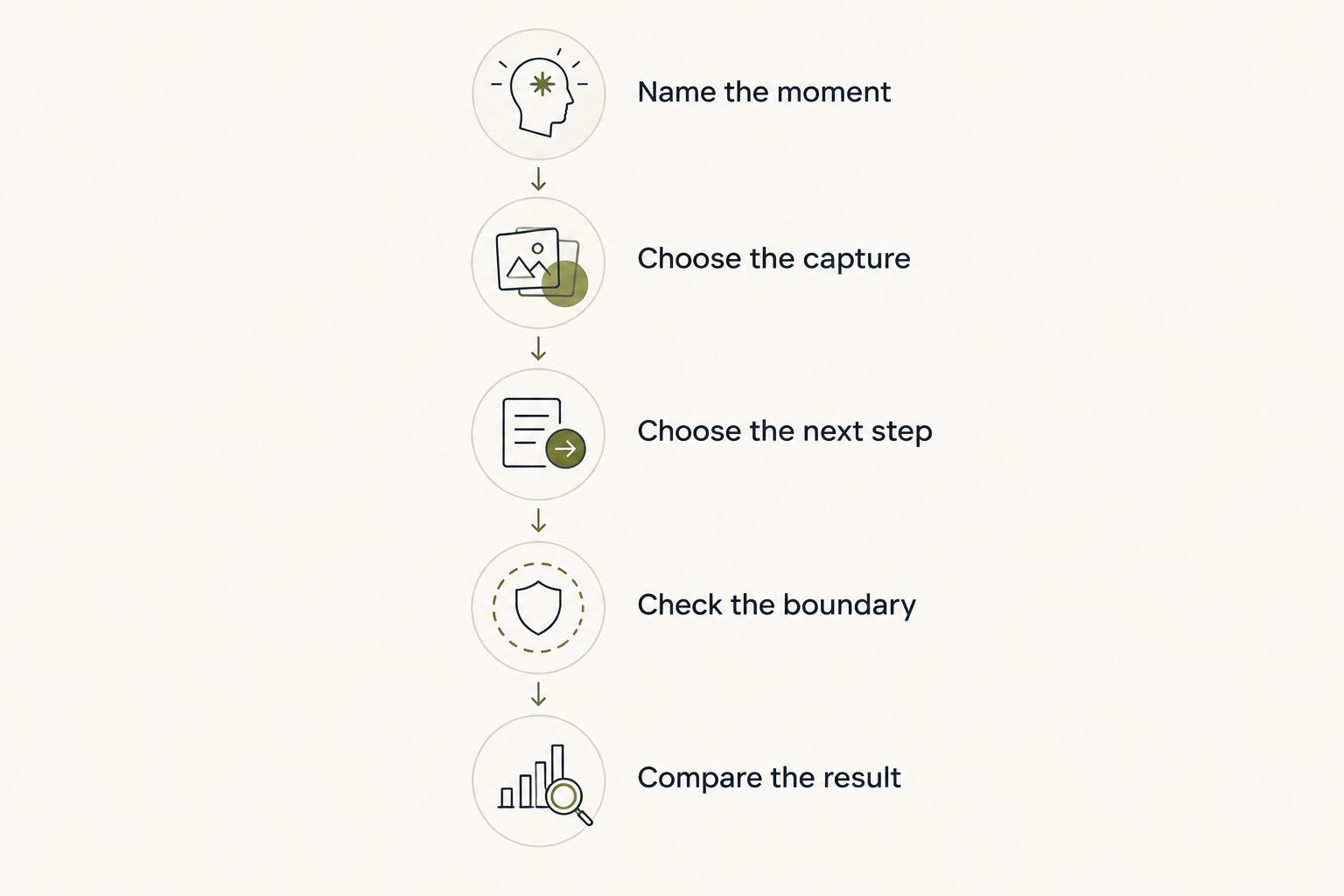
Use this sequence before choosing:
- Name the moment. Identify something specific, such as leaving a conversation with an unresolved question.
- Choose the capture. Decide what you would intentionally record or say afterward, without including someone else's confidential information.
- Choose the next step. Define what would make that capture useful: asking a question, preparing a discussion, or making your own decision.
- Check the boundary. Confirm that the work setting permits the capture and that any resulting action requires your approval.
- Compare the result. Ask whether your existing note-taking method would have served you just as well.
The test is not how much the device collects. It is whether a chosen piece of your day becomes useful at the right moment, without creating a larger obligation to review everything.
Wearable: best for talking a thought through
A wearable is worth considering when speaking a thought is the interaction you want. Picture leaving your desk after a difficult handoff and putting the unresolved point into words. The useful outcome is not a polished transcript; it is knowing what you want to ask next.
Moonshot is best for people who want to talk it through and choose their own next step. It is described as a wearable that hears you out, asks a good question back, and helps you notice what your days keep saying. It turns one thing into a next step, with your yes on each one.
The limitation matters just as much. This is not a reason to assume complete meeting records, access to every work source, or automatic follow-through. It makes no calls and moves no money.
If your requirement is an approved work record, evaluate that requirement separately. A reflective exchange and a record your team relies on serve different purposes.
Written notes: best for a decision you can already name
A written note is a useful baseline when you already know what matters. After a call, write the open question and what you intend to do about it. You do not need a new device to make that decision explicit.
The advantage is directness. You choose the words and can leave unrelated details out. The limitation is that you must stop and formulate the thought yourself; an unfinished idea can stay unfinished if you never return to it.
Keep written notes if they already lead to reliable follow-through. A wearable needs to improve a real part of your routine, not merely offer another place to put the same sentence.
Voice notes: best for saying something before writing it
A voice note gives you another baseline: say it once, then decide later whether it deserves a written next step. This suits a thought that arrives more easily in speech than in a document.
The trade-off is the return visit. A recording does not, by itself, settle the question inside it. You still need to listen, interpret what you meant, and decide what happens next.
Use your own spoken recap rather than assuming you can record the conversation that prompted it. Permission to participate in a work discussion is not the same as permission to capture it on another device.
| Approach | Best for | Main advantage | Main limitation |
|---|---|---|---|
| Wearable | Talking through an unfinished thought | Makes a spoken exchange the starting point | Requires checking the specific device's functions and boundaries |
| Written note | Recording a decision you can already name | Lets you state the next step directly | Depends on you stopping to formulate it |
| Voice note | Capturing your own spoken recap | Lets you speak before you write | Leaves a recording to revisit and interpret |
Why the value varies
The same device can fit one remote worker's routine and add friction to another's. Judge the fit against your actual work, not a general promise of productivity.
- The starting problem. An unresolved thought calls for a different approach from a formal meeting record. Name which one you need.
- Your preferred interaction. Speaking helps only if you want to speak. Do not replace a comfortable written habit without a reason.
- Workplace permission. Employer rules and the information involved determine what belongs in a capture. Convenience does not settle that question.
- Source boundaries. A captured conversation, a public source, and your interpretation are different kinds of evidence. They should remain distinguishable.
- Review effort. Capturing something creates a decision about whether to revisit it. Judge the whole routine, not just the recording moment.
- Action control. A useful suggestion still needs your judgment. You choose priorities and separately grant each source; nothing should go out in your name without your yes.
These are purchase criteria, not optional details to sort out after adopting the habit. A device that does not fit your work boundaries is the wrong choice for that use, even if you like the interaction.
A first-week check
For a 2026 buying decision, use a 7-day check as a decision exercise, not a promise of results. Choose one recurring situation and compare your current method with the interaction you want from a wearable.
Set aside 5 minutes at the end of each workday. Look at the thought you captured and ask whether it helped you choose 1 next step. These are suggested limits for your own exercise, not performance claims about a device.
Start with your own recap
After a conversation, capture your own unresolved question rather than the conversation itself. For example: you agreed to revisit a proposal, but you are unsure what would make it ready. Leave out names and confidential details when they are unnecessary.
This keeps the exercise focused. You are testing whether putting a thought into words helps you use it—not whether collecting more information feels reassuring.
Check what changed
At your review, identify the concrete difference. Perhaps you now know the question you want to ask. Perhaps the note simply repeats what you already knew.
Both are useful findings. If nothing changed, do not count the existence of a recording as progress. If something did change, write down the next step in your own words.
Keep approval visible
Separate a suggested action from an approved action. Drafting a message, deciding to send it, and sending it are not interchangeable events. Your yes belongs at the point where something would leave your control.
For the Moonshot wearable, the relevant question is whether hearing you out helps you learn from your own life. Start there. Do not turn a first-week decision into a promise about what a device will notice over months.
Work boundaries
Before you bring a wearable into work, distinguish what you said from what someone else said. Then distinguish both from an interpretation. A remark about revisiting a proposal does not establish a deadline or explain another person's intentions.
Ask whether the device keeps that distinction clear. A question can help you think; an inference presented as a fact can send you in the wrong direction. Useful follow-through starts with knowing what you actually have evidence for.
For any device you assess in 2026, confirm current functions separately from planned capabilities. A possible workflow is not proof that a feature has shipped. Check the exact function you need before depending on it for work.
Also decide where the device does not belong. Confidential discussions and restricted work settings need their own boundaries. Do not treat a general willingness to try a wearable as permission for every source or conversation.
Can an AI wearable replace meeting notes?
No—not merely because it can capture something. Meeting notes need to serve the people relying on them, with clear decisions and an agreed record. A personal reflection after a meeting serves you differently.
If your goal is to remember what you want to raise next time, use that narrower standard. If your goal is a shared work record, confirm the recording permissions and the exact documentation functions separately.
Should you buy a wearable if you already use voice notes?
Only if it improves what happens after you speak. Compare the experience of revisiting your own recording with the experience you want: a useful question, a clearer choice, or a next step you approve.
Keep the comparison small. A device does not need to replace your whole routine to be useful, but it does need a reason to show up in it.
What would make a wearable the wrong choice?
Skip a wearable when the work you want to capture is outside your permitted boundaries, or when your current notes already work. Also skip it if you expect automatic decisions rather than a moment to make your own.
Do not buy around an imagined future function. Your decision should stand on what the device currently does and what your work allows.
FAQ
Is an AI wearable worth it for remote workers in 2026?
An AI wearable is worth considering for remote workers in 2026 when a chosen capture helps them decide on a useful next step. Skip it if existing notes already serve that purpose or work rules prevent the intended use.
What's the best way to decide whether I need a wearable?
Name one moment you want to handle differently, then compare the desired interaction with your existing notes. Judge the next step it helps you choose, not the amount it captures.
Can I wear a recording device during work calls?
Do not assume you can record work calls because you can attend them. Check workplace rules and applicable consent requirements before capturing anyone else's conversation.
Will a wearable decide what I should do next?
You should choose what deserves your attention and approve any outward action. A suggested next step is not permission to act in your name.
Is talking into a wearable better than writing a note?
Talking is the better fit when speaking helps you formulate an unfinished thought. Writing is the better fit when you already know the decision you need to record.
What is Moonshot intended to help with?
Moonshot hears you out, asks a good question back, and helps you notice what your days keep saying. You choose the next step, with your yes on each one.
What should I check before choosing a wearable in 2026?
For a 2026 decision, check current functions, work permissions, source access, and approval boundaries. Treat planned capabilities separately from functions you can rely on now.
One last thing
The most useful capture might be the question you ask afterward, not the conversation itself. Before choosing a device, try stating what remains unresolved after your next ordinary work discussion.
Then choose one small way to show up differently. If that is already easy with your current notes, keep them. If talking it through helps you reach the next step, you have a specific reason to consider a wearable.